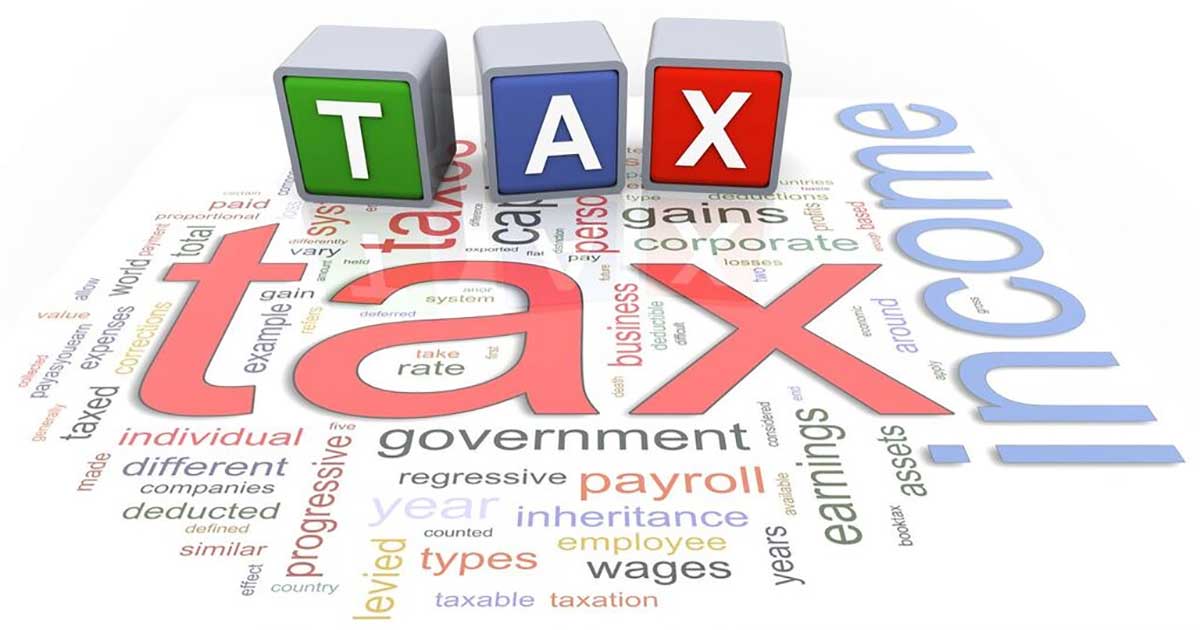
The money that citizens and businesses give to the government is known as taxes. The government makes use of this money to fund public services, schools, hospitals, and roads. Taxes are paid by all individuals who earn income.
There are two primary categories of taxes in India:
Direct taxes
Indirect taxes
Income tax, which is paid on one’s earnings, is one type of direct tax. Goods and Services Tax (GST) is one example of an indirect tax that is added to the cost of the goods we purchase.
Comprehending taxes is crucial for youth since it facilitates better money management. Students may be required to pay income taxes if their income exceeds a specific threshold after beginning part-time jobs or small companies.
Many programs are also run by the government to assist young people. For example, PM-SYM (Pension Yojana) lets you save as little as ₹55 per month, and the government adds money to give you a pension after age 60. The National Scholarship Portal (NSP) gives scholarships to students in school and college. Startup India helps young people who have business ideas by giving advice, training, and some money to start their business. PM Kaushal Vikas Yojana (PMKVY) and National Apprenticeship Promotion Scheme (NAPS) give training and work experience to learn new skills. Schemes like Atal Pension Yojana and Sukanya Samriddhi Yojana help people save money for retirement or for a girl child’s education. These programs help young people plan for the future and use opportunities wisely.